Dosage Reference Guide: Concentration & Volume Explained
Below is a simple, visual reference for understanding concentration and volume relationships.
~~~~~
Each chart references weekly dosage levels of current researched amounts with typical titration escalations every 4 weeks
depending on adaptability and side effects.
How to Read These Tables
This is the total quantity of the compound being referenced per dosage level.
The liquid volume associated with that amount at a given concentration.
A simple measurement scale often used on syringes. Typically, 1 ml = 100 units, meaning 0.1 ml = 10 units. Doses above 100 units typically require multiple administrations.
The measurement of decay of the peptide, the approximate time it takes for a compound to fall to half of its original value once reconstitutionalized. It is required to refrigirate mixed compounds below 4℃ to avoid shorterningh the half-life span.
Quick reference: Units ≈ (Amount ÷ Concentration) × 100
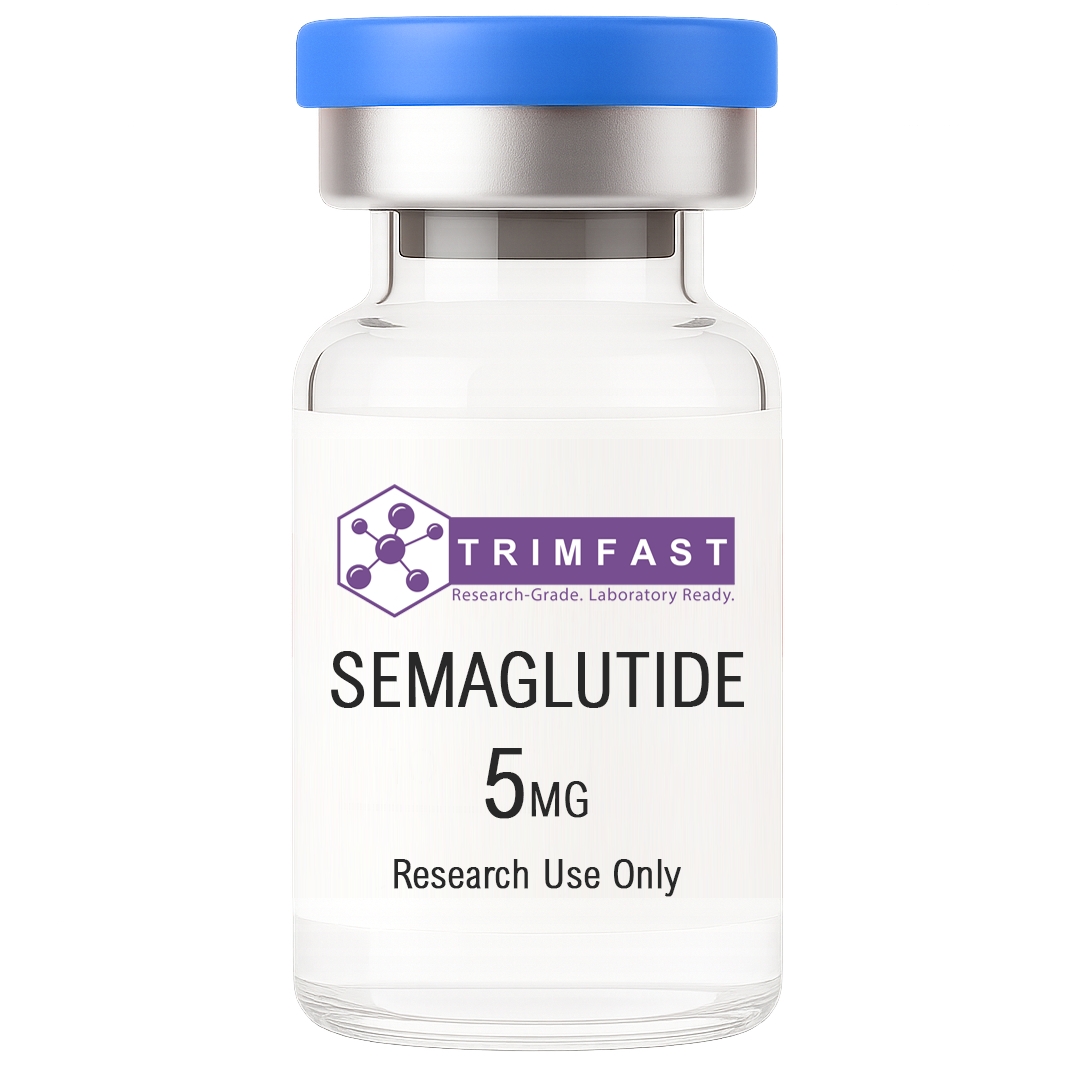
Semaglutide
GLP-1 receptor agonist
Data based on 5mg Compound + 2ml Bacteriostatic Water
Concentration: 2.5 mg/ml
| Amount (mg) | Volume (ml) | Units |
|---|---|---|
| 0.25 | 0.10 | 10 |
| 0.50 | 0.20 | 20 |
| 1.00 | 0.40 | 40 |
| 1.70 | 0.68 | 68 |
| 2.40 | 0.96 | 96 |
| 7.20 | 2.88 | 288 |
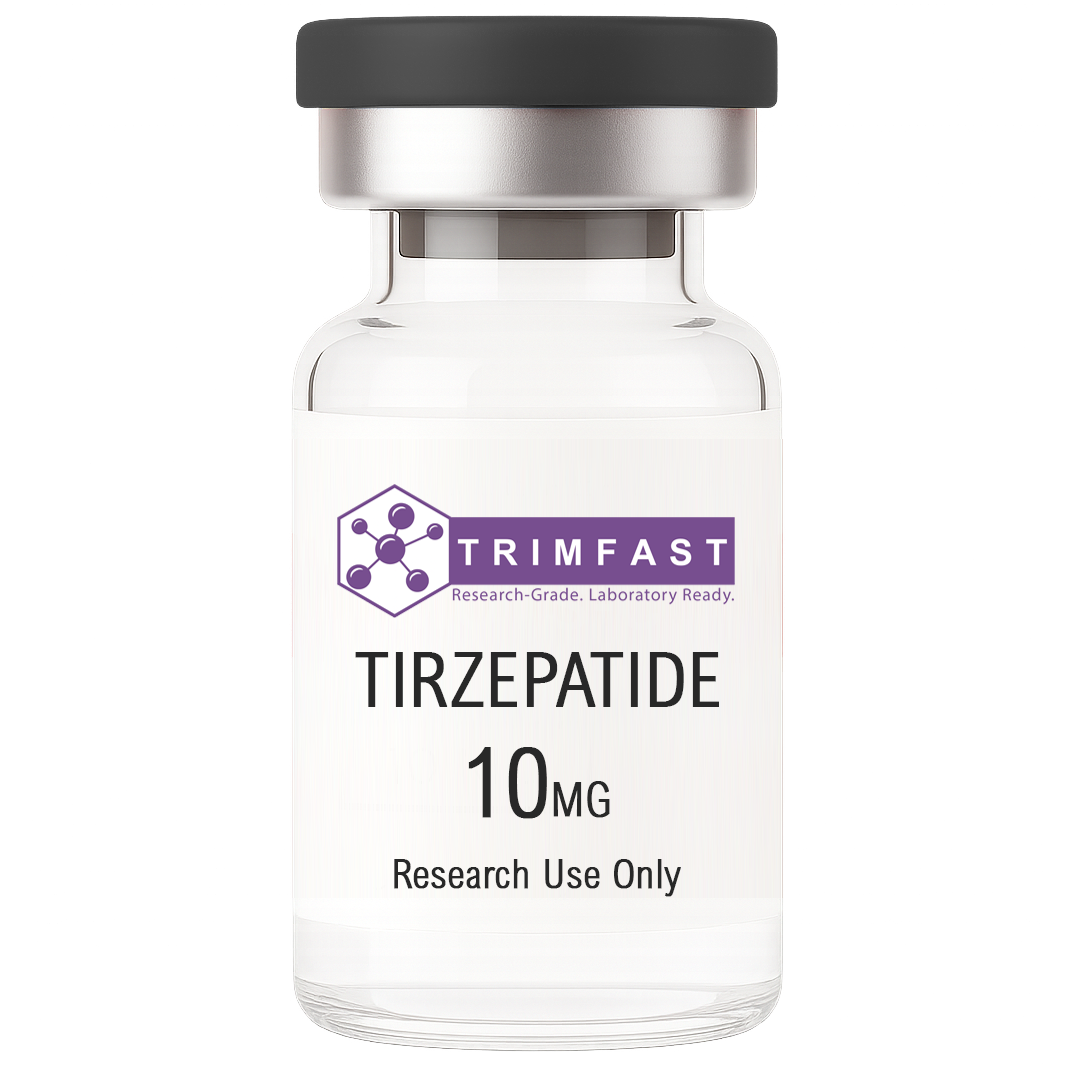
Tirzepatide
GLP-1 / GIP dual agonist
Data based on 10mg Compound + 1ml Bacteriostatic Water
Concentration: 10 mg/ml
| Amount (mg) | Volume (ml) | Units |
|---|---|---|
| 2.5 | 0.25 | 25 |
| 5.0 | 0.50 | 50 |
| 7.5 | 0.75 | 75 |
| 10.0 | 1.00 | 100 |
| 12.5 | 1.25 | 125 |
| 15.0 | 1.50 | 150 |
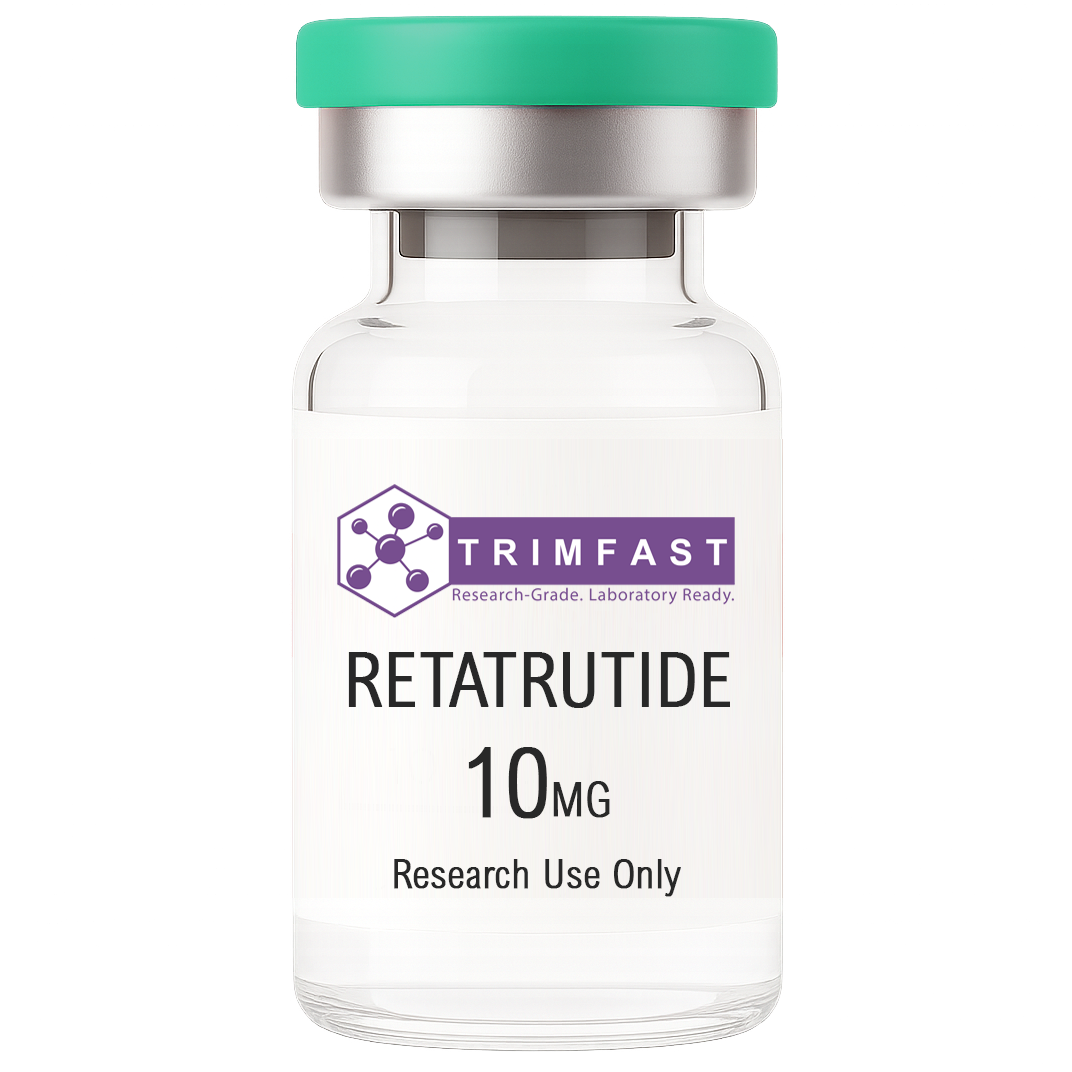
Retatrutide
GLP-1 / GIP / Glucagon triple agonist
Data based on 10mg Compound + 2ml Bacteriostatic Water
Concentration: 5 mg/ml
| Amount (mg) | Volume (ml) | Units |
|---|---|---|
| 1 | 0.20 | 20 |
| 2 | 0.40 | 40 |
| 4 | 0.80 | 80 |
| 6 | 1.20 | 120 |
| 9 | 1.80 | 180 |
| 12 | 2.40 | 240 |