
Weight Change Following Discontinuation of Tirzepatide: A Review of Current Evidence

Background Recent public discussion has highlighted concerns regarding weight regain following discontinuation of GLP-1–based therapies such as tirzepatide. Media coverage referencing clinical trial data has suggested that cessation of treatment may be associated with reversal of weight-related and metabolic changes. This article reviews the current scientific literature to contextualise these findings and explore factors that may influence outcomes after treatment discontinuation. Evidence From Clinical Research GLP-1 receptor agonists, including semaglutide and the dual GIP/GLP-1 agonist tirzepatide, have been extensively studied in controlled clinical trial settings. Published trials have consistently demonstrated significant reductions in body weight over extended treatment periods when combined with structured lifestyle interventions. Reported outcomes from major studies indicate: Semaglutide has been associated with average reductions in body weight of approximately 10–15% over 12 months in trial populations. Tirzepatide has demonstrated higher average reductions in body weight in some studies over longer durations. These findings reflect outcomes observed under structured trial conditions and do not necessarily predict individual responses outside controlled environments. Observations Following Treatment Discontinuation Data from continuation and withdrawal phases of clinical trials, including studies such as SURMOUNT-4, indicate that participants who discontinued tirzepatide experienced partial weight regain over time. Associated changes were also observed in anthropometric and metabolic markers previously improved during active treatment. Importantly, these findings reflect a return toward baseline physiological and behavioural patterns rather than evidence of adverse biological effects caused by discontinuation itself. Mechanistic Considerations GLP-1–based compounds influence appetite regulation, gastric emptying, and energy intake through central and peripheral pathways. During active treatment, these mechanisms may facilitate reduced caloric intake without conscious restriction. Upon discontinuation, appetite signalling and food-related cues may gradually return toward pre-treatment levels. In the absence of sustained dietary or behavioural adjustments, increased energy intake may occur, contributing to gradual weight regain. This phenomenon aligns with established principles of energy balance rather than treatment-specific pathology. Role of Behavioural and Lifestyle Factors Clinical trial protocols typically include structured dietary guidance, monitoring, and behavioural support. Outside of these settings, individuals discontinuing treatment may not receive comparable support, which may influence post-treatment outcomes. Current evidence suggests that weight trajectory following discontinuation is influenced by multiple factors, including: Dietary patterns Physical activity levels Behavioural habits established during treatment Access to ongoing professional support Interpretation of Findings Weight regain following discontinuation of pharmacological weight-management interventions is not unique to GLP-1–based compounds and has been observed across multiple therapeutic classes. The available data do not suggest irreversible metabolic changes or treatment-induced dependency, but rather reflect the absence of ongoing pharmacological appetite modulation. Limitations of Current Evidence While the existing body of research provides valuable insights into weight change following discontinuation of GLP-1–based therapies, several limitations should be acknowledged. Many findings are derived from controlled clinical trial environments, where participants receive structured dietary guidance, monitoring, and follow-up that may not reflect real-world conditions. Outcomes observed in these settings may therefore differ from those seen in broader, more heterogeneous populations. In addition, discontinuation phases within trials are often limited in duration, meaning long-term trajectories beyond the study period remain incompletely characterised. Individual variability in behavioural adaptation, lifestyle factors, and metabolic response further complicates interpretation of aggregate results. Finally, much of the available data focuses on population-level trends rather than individual outcomes. As such, conclusions regarding post-treatment weight change should be interpreted as observational rather than predictive, and ongoing research is required to better understand long-term patterns across diverse study populations. Conclusion The existing body of research indicates that discontinuation of tirzepatide may be associated with partial weight regain in some individuals, particularly in the absence of sustained lifestyle adaptations. These findings underscore the importance of contextualising clinical trial data and avoiding oversimplified interpretations of post-treatment outcomes. Ongoing research continues to explore long-term management strategies, behavioural interventions, and the durability of treatment-associated changes following cessation of GLP-1–based therapies.
Tirzepatide vs Semaglutide: A Research-Based Comparison and Evolving Treatment Approaches

In recent years, clinical interest in GLP-1–based therapies has increased significantly. Among the most frequently discussed compounds are semaglutide and tirzepatide, both of which are studied for their roles in metabolic health and weight-management research. Although these medications are often mentioned together, they differ in how they interact with metabolic pathways. Understanding those differences — and how treatment approaches may evolve over time — can help place current research into context. This article provides an informational overview only, drawing on published research and educational resources. It does not offer medical advice or recommendations. Decisions about treatment should always be made in consultation with a qualified healthcare professional. Overview of Semaglutide Semaglutide belongs to a class of medications known as GLP-1 (glucagon-like peptide-1) receptor agonists. It was initially developed for glycaemic control in type 2 diabetes and has since been widely studied in the context of metabolic and weight-related research. How Semaglutide Is Understood to Function Based on current evidence, semaglutide is associated with effects such as: Modulation of appetite-related signalling Increased feelings of fullness after eating Slower gastric emptying Support for more stable blood glucose regulation In clinical settings, semaglutide is often introduced using a gradual dose-escalation approach, allowing physiological adaptation over time. Because of this structured introduction, it is frequently discussed in research as a foundational GLP-1-based option. Overview of Tirzepatide Tirzepatide is described in the literature as a dual-agonist peptide, as it interacts with two hormone receptors involved in metabolic regulation. Unlike semaglutide, which targets GLP-1 receptors alone, tirzepatide acts on: GLP-1 receptors GIP (glucose-dependent insulinotropic polypeptide) receptors Why Dual-Pathway Activity Is Studied By engaging two incretin pathways, tirzepatide is being researched for its potential to: Influence appetite and satiety through multiple mechanisms Support glycaemic regulation via complementary hormonal effects Produce distinct metabolic responses compared with single-pathway agents Because of this dual activity, tirzepatide is often examined in studies involving individuals who have already been exposed to GLP-1–based therapies. Semaglutide and Tirzepatide: Key Research Differences While both compounds fall under the broader incretin-based category, research highlights several distinctions. Mechanism of Action Semaglutide: GLP-1 receptor agonist Tirzepatide: Dual GIP and GLP-1 receptor agonist Appetite and Satiety Signalling Both compounds are associated with reduced hunger and altered satiety cues Tirzepatide’s dual mechanism may influence a broader range of metabolic signals in some study populations Use Across Treatment Timelines Semaglutide is frequently examined as an initial GLP-1–based option Tirzepatide is often studied later in treatment pathways or in comparative trials Individual Variability Research consistently shows wide variability in individual responses to both compounds No single approach is universally effective Interpreting Research in a Personal Context Selecting between different incretin-based therapies is not simply a matter of choosing the “newest” or “strongest” option. Research increasingly supports a personalised, adaptive approach. Key considerations often discussed in clinical literature include: 1. Starting Context For individuals new to GLP-1–based treatments, semaglutide is frequently examined as an introductory option due to its long history of study and established dosing frameworks. 2. Response Over Time Ongoing monitoring is central to research-led approaches, including observation of: Appetite regulation Tolerance and side-effect profiles Changes in metabolic markers When responses plateau or change, alternative approaches may be evaluated in controlled settings. 3. Longer-Term Objectives Short-term metabolic changes and long-term sustainability are often assessed separately in research. Some studies explore whether transitioning between therapies may better align with evolving physiological responses over time. Why Treatment Transitions Are Studied Modern metabolic research recognises that treatment strategies may change as physiology adapts. Switching between therapies does not necessarily indicate failure; instead, it may reflect refinement and optimisation. Common Research Themes Include: Plateau EffectsMetabolic adaptation over time is well documented. Dual-pathway agents are studied for their ability to engage different hormonal signals when progress slows. Tolerance and ComfortIndividual tolerability varies. Research frequently compares side-effect profiles and subjective comfort between compounds. Phase-Based ApproachesSome frameworks describe treatment in phases: Initiation and behavioural adjustment Active metabolic change Maintenance and long-term stabilisation Different compounds may be studied at different points along this continuum. The Role of Professional Oversight While educational content can provide helpful context, clinical decision-making always requires professional input. Research-guided care typically involves: Comprehensive health assessment Ongoing review of response and tolerance Adjustment or transition based on observed outcomes No medication strategy should be viewed as static or universally applicable. Final Perspective: A Flexible, Evidence-Led View Semaglutide and tirzepatide represent two important developments in incretin-based research. Rather than positioning one as categorically superior, current evidence supports viewing them as distinct tools studied for use at different points in metabolic care. Semaglutide is widely researched as a foundational GLP-1-based therapy Tirzepatide offers a dual-pathway approach that continues to be actively investigated Transitioning between therapies may reflect thoughtful, long-term strategy rather than short-term outcomes For further educational material and structured explanations of how these therapies are discussed in real-world research contexts, resources such as Trimfast.net, alongside peer-reviewed medical literature, can provide useful background reading.
Tirzepatide: Understanding the Research Behind Dual-Pathway Metabolic Therapies

Tirzepatide has attracted growing attention in clinical and metabolic research due to its unique dual-pathway mechanism. For those exploring how modern incretin-based therapies are being studied in the context of weight regulation and metabolic health, tirzepatide represents an important development worth understanding. This article provides an educational overview of tirzepatide, how it is commonly described in scientific literature, and how it differs conceptually from single-pathway GLP-1–based therapies. It is intended for informational purposes only and does not replace professional medical guidance. What Is Tirzepatide? Tirzepatide is a synthetic peptide that acts as a dual receptor agonist, targeting both: GLP-1 (glucagon-like peptide-1) receptors GIP (glucose-dependent insulinotropic polypeptide) receptors Both pathways are involved in appetite regulation, insulin signalling, and metabolic processes. This dual activity is what distinguishes tirzepatide from therapies that act on GLP-1 alone. How Tirzepatide Is Described in Research In clinical and mechanistic studies, tirzepatide is examined for its effects on: Appetite signalling and satiety Glucose metabolism and insulin response Energy intake regulation Gastrointestinal transit timing By engaging two incretin pathways simultaneously, researchers are investigating whether tirzepatide may influence metabolic regulation in a broader way than single-pathway approaches. Individual responses, however, vary significantly and remain an active area of study. Tirzepatide in the Context of GLP-1–Based Therapies GLP-1 receptor agonists, such as semaglutide, have been studied for many years and are often referenced as a foundational class of incretin-based treatments. Tirzepatide differs conceptually because it incorporates GIP receptor activity alongside GLP-1, leading researchers to explore questions such as: Whether dual-pathway engagement alters appetite regulation patterns How metabolic responses compare across different individuals Whether outcomes differ depending on treatment duration or sequencing These comparisons are ongoing, and no single approach is universally appropriate for all individuals. Tolerability and Ongoing Safety Research Clinical studies continue to evaluate the tolerability profile of tirzepatide, particularly during early dose escalation phases. Research publications commonly report gastrointestinal effects such as nausea, fullness, or changes in bowel habits, especially during initial exposure. Long-term safety, durability of outcomes, and real-world use remain areas of active investigation, underscoring the importance of professional oversight and individualised decision-making. The Role of Lifestyle and Structure in Research Outcomes Across studies involving incretin-based therapies, outcomes are typically evaluated alongside lifestyle factors, including: Dietary structure and protein intake Physical activity patterns Sleep and stress regulation Adherence and behavioural consistency Researchers consistently note that pharmacological tools are studied in combination with behavioural frameworks, not as standalone solutions. How Tirzepatide Fits Into an Evolving Research Landscape Tirzepatide represents one step in a rapidly evolving field of metabolic research. In parallel, scientists are: Investigating next-generation incretin combinations Exploring long-term maintenance strategies Studying how different therapies may be sequenced over time Examining outcomes beyond weight, including metabolic and cardiovascular markers As this research develops, understanding remains dynamic rather than fixed. Final Thoughts Tirzepatide is best understood not as a “breakthrough solution,” but as part of a broader shift toward more nuanced, pathway-based approaches to metabolic research. Its dual-receptor activity has opened new lines of investigation, while also highlighting the complexity of appetite regulation and long-term weight management. For those seeking to learn more about incretin-based therapies, structured educational resources and professional guidance remain essential as evidence continues to evolve.
Tirzepatide Access, Regulation, and Market Trends: What’s Changing and Why It Matters
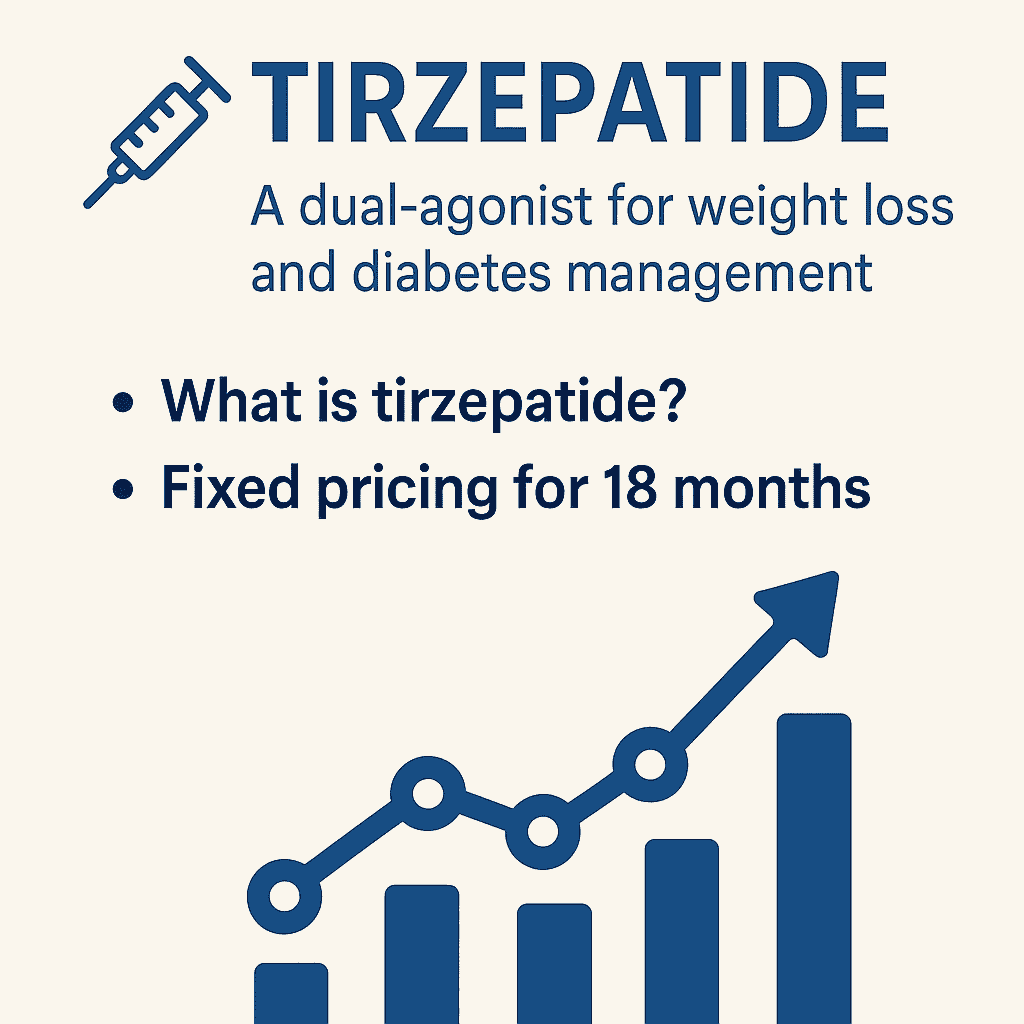
As interest in incretin-based therapies continues to grow, tirzepatide has become a frequent topic in discussions around metabolic research, healthcare access, and pharmaceutical regulation. Alongside scientific development, the surrounding market has also evolved rapidly, shaped by regulatory decisions, supply changes, and increasing global demand. This article explores tirzepatide from a market and research access perspective, focusing on how it is studied, how availability has changed, and why pricing stability has become an important consideration for organisations and researchers navigating this space. This content is provided for educational and informational purposes only and does not constitute medical advice. What Is Tirzepatide? (Research Overview) Tirzepatide is a synthetic peptide studied for its activity at two metabolic hormone receptors: Glucose-dependent insulinotropic polypeptide (GIP) Glucagon-like peptide-1 (GLP-1) Because it engages both pathways, it is commonly described in the scientific literature as a dual-acting incretin-based compound. Research has focused on its effects on glucose regulation, appetite-related signalling, and broader metabolic processes. Tirzepatide is administered once weekly in clinical settings and has been the subject of extensive late-phase trials and post-approval research programmes internationally. How Tirzepatide Is Studied in Clinical Research In controlled research environments, tirzepatide has been evaluated for its effects on: Insulin and glucagon signalling Gastric emptying and nutrient processing Appetite-related hormonal feedback loops Long-term metabolic outcomes Comparative studies have examined tirzepatide alongside other incretin-based compounds, such as GLP-1 receptor agonists, to better understand differences in mechanism, tolerability, and response variability across populations. Importantly, research findings are interpreted within structured clinical frameworks and continue to evolve as longer-term data becomes available. Safety Considerations in the Literature Published clinical research has documented a range of commonly observed effects during tirzepatide studies, particularly during dose-escalation phases. These observations are consistent with other incretin-based therapies and are closely monitored within trial protocols. The scientific literature also highlights specific contraindications and population exclusions used in clinical trials, underscoring the importance of controlled use and professional oversight in approved medical contexts. Ongoing research continues to examine long-term safety outcomes, rare adverse effects, and differences across demographic groups. Regulatory Landscape and Availability Changes The regulatory status and availability of tirzepatide have shifted significantly in recent years. Supply constraints, manufacturing scale-up, and increased global demand have all influenced how the compound is accessed and distributed. Regulatory agencies have taken steps to address shortages, quality control, and the circulation of unapproved or non-compliant products, particularly in online marketplaces. These changes have reinforced the importance of traceability, compliance, and transparency across supply chains. At the same time, international health organisations have recognised incretin-based therapies as an important area of ongoing medical research, further accelerating interest and scrutiny. Market Volatility and Pricing Stability Rapid growth in demand has led to noticeable price volatility across multiple regions. For organisations involved in research supply, this has made long-term planning more complex. In response to these conditions, some suppliers — including Trimfast.net — have prioritised pricing stability and forward planning, aiming to reduce disruption caused by short-term market fluctuations. By fixing pricing over defined periods, organisations can better support continuity, budgeting, and responsible access within a changing regulatory and commercial environment. Why Market Context Matters Understanding tirzepatide today requires looking beyond mechanism alone. Scientific progress, regulatory oversight, supply integrity, and market structure all influence how research compounds are studied, distributed, and discussed. As incretin-based research continues to expand, clarity around access, compliance, and long-term planning will remain just as important as the data emerging from clinical trials. Final Thoughts Tirzepatide represents one part of a broader shift in metabolic and incretin-based research. While scientific understanding continues to develop, the surrounding ecosystem — regulation, availability, and pricing — plays a critical role in shaping how this research moves forward. Educational resources that separate scientific evidence, market realities, and regulatory context help ensure discussions remain accurate, responsible, and future-focused.
Tirzepatide and Women’s Hormonal Health: An Emerging Area of Research

Tirzepatide is most commonly discussed in scientific literature in relation to metabolic research, including glucose regulation and energy balance. More recently, researchers have begun exploring how metabolic pathways may intersect with broader endocrine processes, including those relevant to women’s hormonal health. This article reviews current scientific discussion around tirzepatide and hormonal systems, highlighting areas of ongoing research rather than established clinical outcomes. Metabolic Pathways and Hormonal Regulation Tirzepatide is a dual GIP and GLP-1 receptor agonist. These incretin hormones are involved in metabolic signalling related to insulin secretion, appetite regulation, and energy utilisation. Metabolic health and endocrine function are closely linked. Insulin sensitivity, adipose tissue activity, and inflammatory signalling can all influence hormonal balance. For this reason, researchers are increasingly interested in how metabolic agents may indirectly affect hormonal systems — particularly in populations where insulin resistance and hormonal dysregulation commonly coexist. Research Interest in Insulin Resistance and Endocrine Conditions Insulin resistance has been widely studied as a contributing factor in several endocrine-related conditions affecting women. Scientific literature has examined how improved insulin signalling may influence downstream hormonal markers, though outcomes vary and remain under investigation. Current research does not establish tirzepatide as a treatment for reproductive or hormonal conditions. However, its effects on metabolic parameters have prompted further study into potential secondary hormonal impacts in controlled research settings. Menopause, Metabolism, and Ongoing Study During perimenopause and menopause, hormonal changes are often accompanied by shifts in metabolic function, including altered glucose handling and body composition. These changes have led researchers to explore how metabolic agents interact with endocrine transitions over time. Some studies are examining whether improved metabolic regulation may correlate with changes in energy levels, appetite signalling, or inflammatory markers during midlife transitions. These findings are preliminary and should not be interpreted as therapeutic claims. Patient-Reported Observations vs Clinical Evidence It is important to distinguish between anecdotal reports and validated clinical evidence. While individuals may share personal experiences online, regulatory standards require that conclusions be drawn from controlled studies rather than subjective reports. At present, the scientific community continues to evaluate: Long-term metabolic outcomes Endocrine interactions Safety profiles across different populations Real-world use compared with controlled trial environments Limitations of Current Evidence While interest in tirzepatide continues to grow, several limitations remain: Most hormonal observations are indirect or secondary findings Many studies focus primarily on metabolic endpoints Long-term endocrine outcomes are still being evaluated Results may not generalise across all populations Further peer-reviewed research is required before any definitive conclusions can be drawn regarding hormonal effects beyond metabolic research contexts. Educational Use Only This article is intended for educational and informational purposes only. It does not constitute medical advice, diagnosis, or treatment guidance. Decisions relating to health, medications, or research use should always be made in consultation with qualified professionals and based on approved regulatory frameworks. For additional educational resources and research-focused information, readers may explore TrimFast.net’s knowledge base. ✅ Summary Tirzepatide is primarily studied in metabolic research Hormonal interactions are an emerging area of scientific interest No approved indication exists for hormonal or reproductive conditions Ongoing research continues to explore broader endocrine pathways Regulatory & Educational Disclaimer The information provided on this page is intended for educational and informational purposes only. It does not constitute medical advice, diagnosis, treatment, or a recommendation for the use of any medicinal product. References to tirzepatide, semaglutide, hormonal pathways, metabolic processes, or related research are based on publicly available scientific literature and ongoing research discussions. No claims are made regarding efficacy, safety, suitability, or outcomes for individual use. Tirzepatide and semaglutide are prescription-only medicines in the UK. Any discussion of potential mechanisms or research observations should not be interpreted as guidance for personal use. Individuals should always consult a qualified healthcare professional for medical advice or treatment decisions. TrimFast does not promote, market, or supply medicinal products for human use. Any products referenced elsewhere on this website are supplied strictly for research and laboratory purposes only, in accordance with applicable regulations.
Tirzepatide: Why It’s Gaining Attention in Popular Media

Tirzepatide has become a frequent topic of discussion across health publications, scientific commentary, and popular media in recent years. As research into metabolic and incretin-based therapies continues to expand, this compound is increasingly referenced in conversations around weight management research and emerging treatment pathways. While online discussion often links Tirzepatide to high-profile individuals or wellness trends, it’s important to separate media narratives from the underlying science driving interest in this compound. What Makes Tirzepatide Distinct in Research Discussions? In scientific literature, Tirzepatide is described as a dual-acting incretin receptor agonist, interacting with both: GLP-1 (glucagon-like peptide-1) receptors GIP (glucose-dependent insulinotropic polypeptide) receptors This dual mechanism differentiates it from single-pathway GLP-1 agonists such as semaglutide and is a key reason it has attracted attention within metabolic research. Ongoing studies are examining how dual-pathway signalling may influence appetite regulation, glucose metabolism, and energy balance. These investigations are part of a broader effort to better understand complex metabolic processes, rather than a guarantee of outcomes for individuals. Media Attention and Public Curiosity As with many emerging therapies, Tirzepatide has been widely discussed across social media, news outlets, and wellness commentary. References to its use among public figures are typically speculative and unverified, reflecting broader cultural interest rather than confirmed or disclosed personal choices. Such coverage highlights how public awareness of metabolic research has increased, particularly around topics related to weight management, insulin sensitivity, and long-term health outcomes. Growing Interest in the UK Interest in Tirzepatide-related research is not limited to the United States. In the UK, discussion has grown alongside increased attention to metabolic health, obesity research, and the role of incretin-based therapies in clinical settings. It’s worth noting that Tirzepatide is a prescription-only medicine in the UK, and any decisions regarding its clinical use must be made by qualified healthcare professionals. Public discussions and educational content should be understood within the context of ongoing research, regulation, and evolving clinical guidance. Final Perspective Tirzepatide’s presence in media and research conversations reflects a broader shift toward exploring advanced metabolic therapies and understanding how hormonal pathways influence weight and health. While public interest continues to grow, scientific evaluation and regulatory oversight remain central to how these compounds are studied and discussed. For readers seeking to learn more, it’s always advisable to rely on peer-reviewed research, trusted educational resources, and professional medical guidance rather than headlines or speculation. Celebrity Reference DisclaimerAny references to public figures, media reports, or cultural trends are observational only and do not imply endorsement, use, or promotion of tirzepatide by any individual. Mentions of celebrities or public interest are included solely to reflect general media discussion and are not intended to influence medical decisions. This content is for informational purposes only and does not constitute medical advice.
Tirzepatide: Understanding a Widely Discussed Option in Weight-Management Research

Interest in tirzepatide has increased significantly in recent years, particularly within clinical research and scientific discussions around metabolic health and weight management. Originally investigated in the context of type 2 diabetes, tirzepatide has since become the subject of broader research exploring its effects on appetite regulation, energy balance, and long-term metabolic outcomes. This article provides an educational overview of tirzepatide, how it is described in scientific literature, and why it continues to attract attention in ongoing research. It is not intended to promote use or replace professional medical guidance. What Is Tirzepatide? Tirzepatide is a synthetic peptide that acts as a dual agonist of the GIP (glucose-dependent insulinotropic polypeptide) and GLP-1 (glucagon-like peptide-1) receptors. These receptors are involved in metabolic signalling pathways that influence insulin secretion, appetite regulation, and glucose metabolism. Early development focused on glycaemic control in adults with type 2 diabetes. Subsequent studies expanded investigation into its broader metabolic effects, including body-weight changes observed in controlled research settings. How Tirzepatide Is Described to Work in Research Settings In scientific literature, tirzepatide is commonly discussed in relation to its dual-pathway mechanism. By engaging both GIP and GLP-1 receptors, researchers examine its potential influence on: Appetite-related signalling Satiety and caloric intake Post-meal glucose responses Energy utilisation and metabolic efficiency Studies frequently highlight that dual-pathway compounds may produce different metabolic responses compared to single-pathway GLP-1 agonists, which has driven continued interest in comparative research. Overview of Clinical Research Findings Large-scale clinical trials have evaluated tirzepatide in controlled environments, reporting changes in body weight, metabolic markers, and glycaemic outcomes over extended study periods. For example, multi-phase trials such as the SURMOUNT programme explored weight-related outcomes alongside lifestyle interventions. These findings are often referenced in academic discussions as part of the evolving understanding of incretin-based therapies. It is important to note that clinical trial results reflect controlled conditions and may not directly translate to real-world use without appropriate medical oversight. Safety Considerations in Published Literature Scientific publications consistently emphasise that tirzepatide, like other incretin-based compounds, has been associated with gastrointestinal effects in some study participants, particularly during dose-escalation phases. Ongoing research continues to evaluate long-term safety, tolerability, and appropriate patient selection. Any discussion of side effects, suitability, or use should always be interpreted within the context of professional healthcare guidance and regulatory frameworks. Why Tirzepatide Remains a Focus of Ongoing Research Tirzepatide’s dual-receptor profile has positioned it as an important subject in broader metabolic research. Current and future studies are exploring: Long-term metabolic outcomes Durability of weight-related effects Cardiovascular and endocrine markers Comparisons with other incretin-based therapies As research continues, understanding of where tirzepatide fits within metabolic science is still evolving. Educational Resources and Further Reading Platforms such as TrimFast.net aim to provide educational content that helps readers understand how compounds like tirzepatide are discussed in scientific and clinical research contexts. Readers are encouraged to consult multiple reputable sources and qualified healthcare professionals when interpreting this information. Important Disclaimer This content is provided for educational and informational purposes only. It does not constitute medical advice, diagnosis, or treatment recommendations. Tirzepatide is a prescription-only medicine in the UK and must only be used under the supervision of a qualified healthcare professional. Always consult an appropriate medical provider before making decisions related to medications or health conditions.
Tirzepatide Dosage Escalation: How It Works and Why It Matters
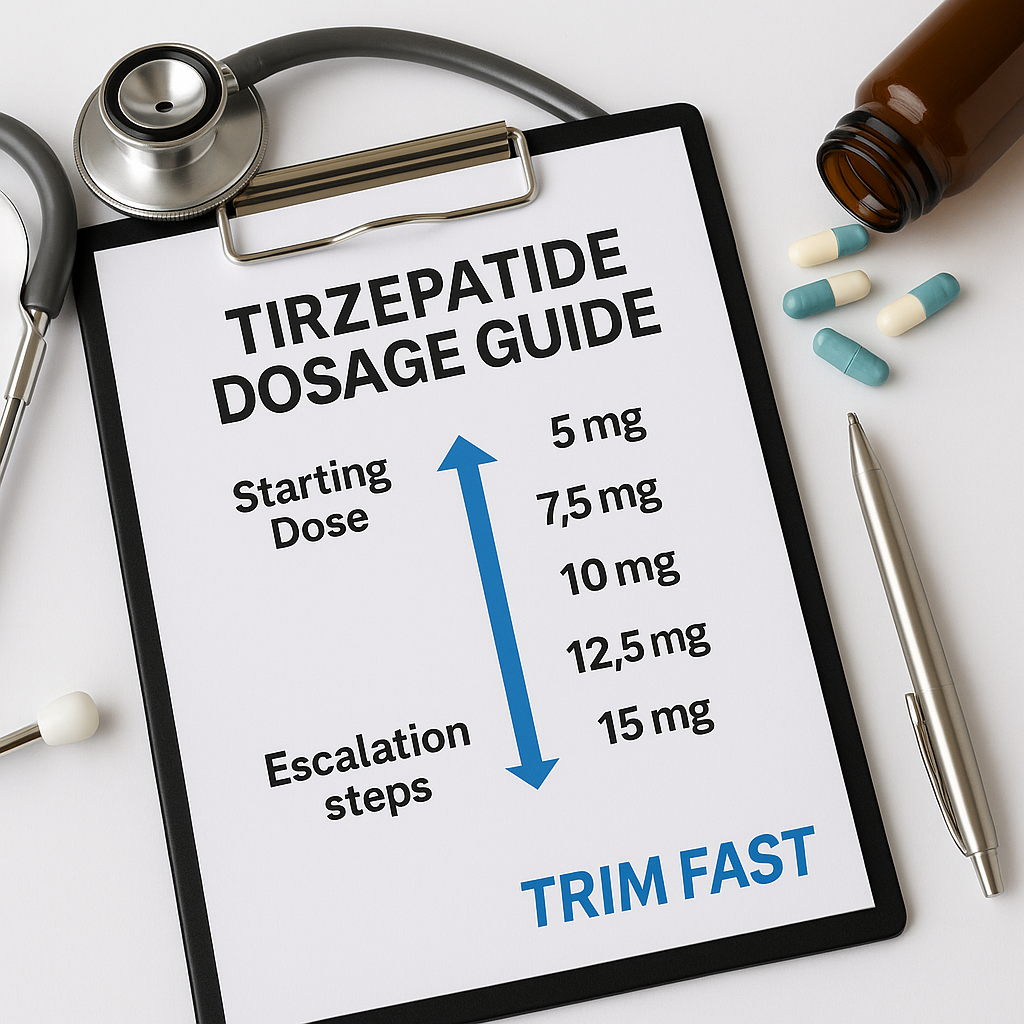
In clinical research and real-world medical practice, many treatments are introduced gradually rather than at full strength from the outset. This process—often referred to as dosage escalation or titration—is designed to help the body adapt while reducing the likelihood of unwanted effects. For medications and compounds studied in metabolic and appetite-related contexts, including tirzepatide, gradual dose adjustment is a commonly discussed approach in scientific literature. This article is intended for educational and informational purposes only and does not constitute medical advice. What Is Tirzepatide? Tirzepatide is a compound that has been studied for its activity at both GIP (glucose-dependent insulinotropic polypeptide) and GLP-1 (glucagon-like peptide-1) receptors. Because it acts on two pathways involved in glucose regulation and appetite signalling, it is often described in the literature as a dual-pathway agent. Research has explored tirzepatide in the context of metabolic health, including glucose regulation and body-weight-related outcomes. As with many compounds studied in this area, dosing strategies are a key focus of ongoing research. Why Gradual Dose Adjustment Is Discussed in Research Introducing higher amounts of a compound too quickly can increase the likelihood of gastrointestinal or tolerance-related effects. For this reason, gradual escalation is frequently referenced in clinical trial designs and prescribing information as a way to support tolerability. Rather than aiming for immediate effects, dose escalation prioritises: Allowing physiological systems time to adapt Monitoring individual response over time Reducing the likelihood of early discontinuation This approach reflects a broader principle used across many therapeutic areas—not just metabolic research. Typical Escalation Patterns Described in Literature In published studies and regulatory documentation, tirzepatide has often been evaluated using stepwise dose progression, with adjustments made at set intervals. While specific protocols vary depending on study design and patient population, escalation models commonly involve: An initial low-exposure phase Incremental increases at regular intervals Progression only if prior levels are well tolerated Importantly, not all individuals progress to higher levels, and many studies note that outcomes can be observed at different points along the escalation pathway. Any real-world dosing decisions must always be made by a qualified healthcare professional. Assessing Tolerability During Escalation Research highlights that tolerance can vary significantly between individuals. Factors often considered before escalation include: Overall comfort at the current level Presence or absence of gastrointestinal symptoms General wellbeing and day-to-day functioning Scientific discussions emphasise that escalation is not automatic, and remaining at a lower level for longer periods is sometimes appropriate. Commonly Reported Effects in Studies During dose-adjustment phases, studies have reported effects such as: Reduced appetite Changes in digestion or gastric emptying Transient gastrointestinal symptoms These observations are frequently described as dose-dependent and may lessen over time as the body adapts. Lifestyle factors—such as meal composition, hydration, and eating pace—are often noted in research discussions as variables that may influence overall tolerance. Why Escalation Is Viewed as a Long-Term Strategy Rather than focusing on speed, escalation strategies described in the literature are designed to support consistency and sustainability. A slower, monitored approach may help: Maintain adherence over longer periods Reduce interruption due to discomfort Align use with broader lifestyle and dietary considerations This long-view perspective reflects how metabolic research increasingly frames weight-related interventions—as part of an evolving, individualised process rather than a short-term fix. Final Thoughts Dosage escalation is a widely discussed concept in clinical research involving tirzepatide and similar compounds. Its purpose is not to accelerate outcomes, but to balance exposure, tolerability, and individual response over time. Educational resources like those provided by TrimFast aim to help readers better understand how these concepts are discussed in scientific and clinical contexts. Any decisions regarding use, dosing, or suitability should always be made in consultation with an appropriately qualified healthcare professional.
Tirzepatide Vial Sizes: Understanding 5mg & 10mg in Research Contexts
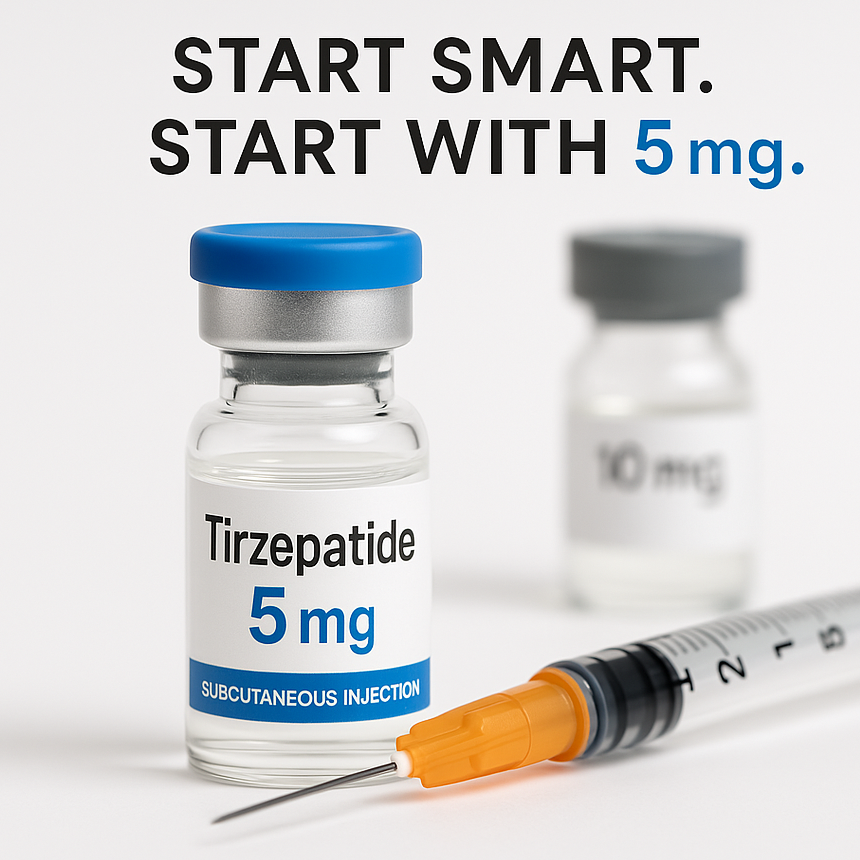
Tirzepatide Vial Sizes: Understanding 5 mg and 10 mg in Research Contexts Interest in tirzepatide has grown rapidly across clinical and scientific communities. Alongside this, questions often arise about the practical differences between lower- and higher-strength vials, particularly 5 mg and 10 mg formats. This article explores how different vial sizes are typically discussed in research, clinical development, and observational study settings, and why smaller quantities are commonly used during early stages of investigation. This content is provided for educational and informational purposes only and does not constitute medical or dosing advice. What Is Tirzepatide? Tirzepatide is a synthetic peptide investigated for its activity at both GIP and GLP-1 receptors. In scientific literature, it is studied for its role in metabolic signalling pathways related to insulin response, appetite regulation, and energy balance. It was initially developed for type 2 diabetes research and has since been evaluated in a wide range of controlled trials and real-world observational studies examining metabolic outcomes. Why Different Vial Sizes Exist In laboratory and clinical environments, multiple vial strengths are produced to support flexibility, precision, and staged evaluation. Smaller vial formats are commonly used during: Early-phase trials Dose-finding studies Tolerability and safety assessments Stepwise protocol designs Larger vial formats are more frequently associated with later-stage or continuation protocols, where parameters are already well established. 5 mg vs 10 mg Vials: Conceptual Differences 5 mg Vials Lower-quantity vials are often selected when: Initiating structured research protocols Conducting incremental evaluation Reducing material waste during early stages Supporting precision handling in laboratory environments They are commonly referenced in contexts where careful control and gradual adjustment are prioritised. 10 mg Vials Higher-quantity vials are typically referenced in: Extended research timelines Later-phase investigations Situations where handling efficiency is required Ongoing comparative or longitudinal studies They are not inherently “better” or “stronger” — they simply reflect different logistical and protocol needs. Why Smaller Quantities Are Often Used First Across clinical research more broadly, it is standard practice to begin with conservative quantities before progressing further. This approach supports: Improved data consistency Better monitoring of tolerability markers Reduced variability in early observations Alignment with ethical research frameworks This principle is not unique to tirzepatide and applies across many investigational compounds. Research-Focused Supply Considerations When sourcing peptide materials for scientific purposes, laboratories and research teams typically consider: Purity and batch traceability Storage stability Flexibility for protocol design Compliance with research-only use standards Vial size selection is therefore a practical decision, not a performance claim. A Note on Interpretation Discussion of vial formats should not be confused with recommendations for personal use. Any references to quantities or formats within scientific literature are context-specific and interpreted within controlled environments under professional oversight. Final Thoughts Understanding why different tirzepatide vial sizes exist helps clarify how research and development processes are structured. Smaller formats are commonly used during early or exploratory phases, while larger formats may support longer-term or later-stage work. As with all investigational materials, interpretation should remain grounded in published research, regulatory frameworks, and professional guidance.
Tirzepatide: 10 Key Considerations Before Use | Educational Guide

1. Tirzepatide Is a Prescription Medicine, Not a Supplement Tirzepatide is a once-weekly injectable medicine originally developed for the management of type 2 diabetes. It acts on two hormone pathways — GLP-1 and GIP — which are involved in insulin secretion, appetite signalling, and glucose control.It should not be confused with over-the-counter supplements or wellness products. 2. Its Effects Have Been Studied in Clinical Trials Tirzepatide has been evaluated in multiple large-scale clinical studies examining metabolic outcomes such as glycaemic control and body-weight changes. Reported outcomes vary by dose, duration, and individual factors, and results observed in trials may not reflect individual experiences. 3. Administration Is via Weekly Injection Tirzepatide is administered as a subcutaneous injection once per week. Individuals prescribed this medication are typically given instruction on correct handling and injection technique by a qualified healthcare professional. 4. Side Effects Can Occur, Particularly During Early Use As with many medicines affecting gastrointestinal and metabolic pathways, some people experience side effects, especially when first starting or adjusting dosage. These may include: Nausea Changes in bowel habits Reduced appetite Fatigue Side effects are not experienced by everyone and should always be discussed with a healthcare provider. 5. Lifestyle Factors Remain Important Medicines such as Tirzepatide are not considered standalone solutions. Clinical guidance consistently emphasises that nutrition, physical activity, and broader lifestyle factors remain relevant to overall health outcomes, regardless of medication use. 6. Use Is Typically Considered Over a Longer Timeframe Tirzepatide is not designed for short-term or occasional use. In clinical settings, it is usually discussed as part of a longer-term management approach, with regular review and monitoring by a healthcare professional. 7. Tirzepatide Is Not Suitable for Everyone There are known contraindications and precautions associated with Tirzepatide. Individuals with certain medical histories — including specific endocrine conditions or previous pancreatitis — may be advised not to use it. A full medical assessment is essential before initiation. 8. Treatment Commonly Starts at a Lower Dose To support tolerability, Tirzepatide is typically introduced at a lower dose before being increased gradually, depending on individual response. This stepwise approach is standard practice and aims to reduce the likelihood of adverse effects. 9. Ongoing Clinical Oversight Is Important Regular follow-up allows healthcare professionals to assess response, manage side effects, and determine whether continued use remains appropriate. Access to qualified guidance is considered an important part of responsible use. 10. Decisions Should Be Based on Informed Discussion Any decision involving prescription medicines should be made in consultation with a suitably qualified healthcare professional. Tirzepatide may be discussed as part of a broader conversation around metabolic health, risk factors, and individual circumstances. A Note on Information and Support At TrimFast, information is provided to help individuals better understand topics commonly discussed in clinical weight-management and metabolic health settings. Content is intended for educational purposes only and should not replace professional medical advice. Disclaimer:This article is for informational and educational purposes only. It does not constitute medical advice, diagnosis, or treatment. Always consult a qualified healthcare professional before starting, stopping, or changing any medication.